Raising a Successful Online Learner: Five Habits That Help Children Thrive
By Alfred Ouko, Founder · November 2026 · 7 min read · First published
Successful online learners are made, not born. The children who thrive in online school share five habits, and every one of them can be built at home with a little structure and a lot of encouragement. At Smartious Homeschool and eSchool, we teach families across Kenya, the UK, the UAE, the USA and Canada. The students who grow fastest are rarely the ones with the newest laptop. They are the ones whose families treat learning as a shared project, and who slowly learn to own their studies themselves.
1. Learn alongside them

Children take learning seriously when the adults around them do. You do not need to know the subject; you need to show interest. Sit with your child for the first few minutes of the school day, especially in the first weeks, and ask them to teach you one thing they learned. Explaining it back is one of the strongest ways to remember it.
Keep your tone curious, not checking: "Show me what you did in maths" opens a conversation, while "Did you finish?" closes it. As confidence grows, step back gradually. The goal is a child who invites you in, not one who waits for you.
2. Build independence and ownership
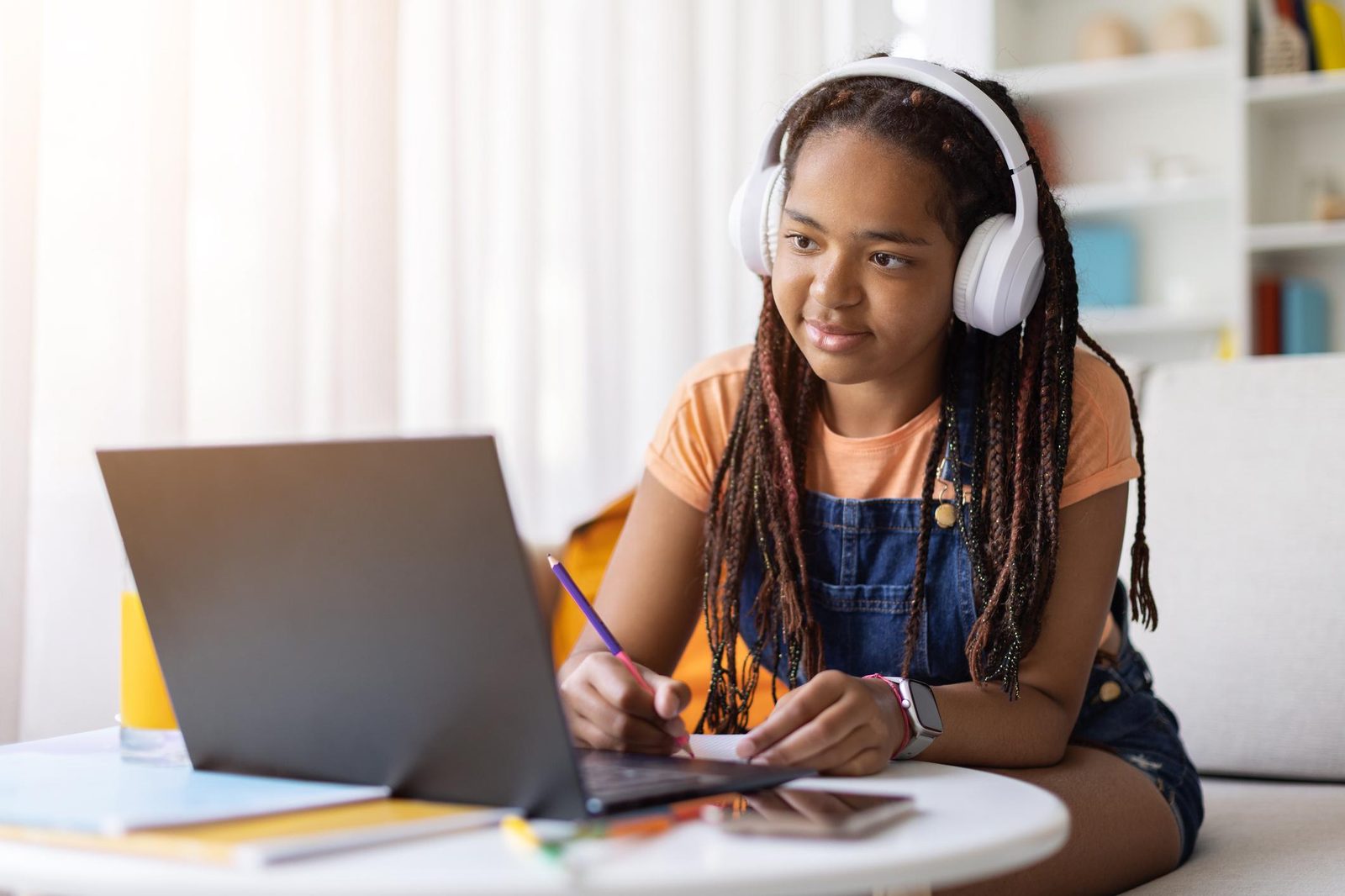
The best online learners manage themselves, and independence is a skill you can teach in small steps. Let your child join their own classes and keep their own timetable, with you checking in rather than steering. Hand over one responsibility at a time: logging in on time, then homework deadlines, then weekly revision. When something goes wrong, ask "What will you do next time?" before offering a fix.
A child who owns their learning at twelve is far better prepared for A Level, university and work than one who has always been managed.
3. A study space and a planning system that work
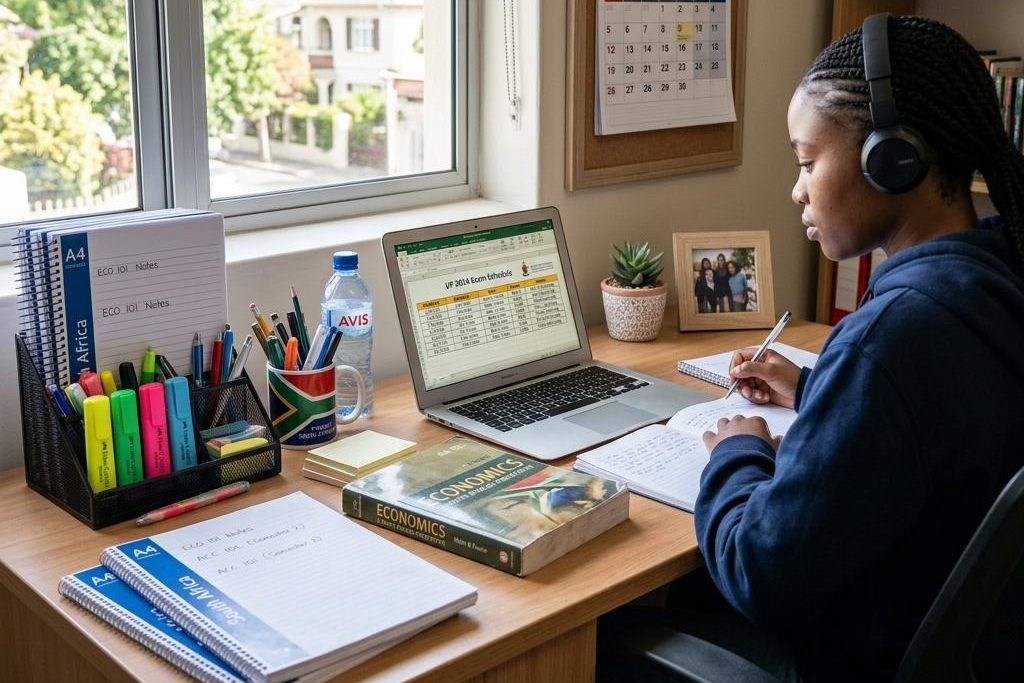
A good setup removes daily friction. It does not need to be expensive; it needs to be consistent. Give your child one dedicated spot with good light, a comfortable chair and everything within reach: notebooks, pens, a calculator and water. Keep a visible plan, such as a wall calendar or planner with tests, deadlines and goals for the week, and make Sunday a ten minute ritual of looking at the week ahead in the student portal and writing it down. When the space and the plan are ready, the school day starts on time and without arguments.
4. Encourage curiosity and confidence

Curious children keep learning when nobody is watching, and confidence lets them ask questions in a live class instead of staying quiet. Praise effort and strategy, such as "You kept trying different methods", rather than talent alone. Treat mistakes as information: look at a wrong answer together and find where the thinking changed course. Feed interests beyond the syllabus with books, documentaries and clubs that match what excites them, and encourage your child to unmute and ask. Teachers want questions, and every question asked makes the next one easier.
5. Partner with teachers
You and your child's teachers want the same thing, and the more you share, the faster small problems are solved. Read results together when they arrive: at Smartious, teachers mark every paper themselves and results are emailed to students and parents as soon as they are marked. Follow your child's progress through the parent portal, and tell the school early if your child is struggling, unwell or going through a change at home. A short message today beats a difficult conversation at the end of term.
More guides for parents
- How to Support Your Child in Online Learning — Four habits for focus, routine, motivation and connection.
- How Parents Can Support Learning at Home — Seven habits for learning partners at home.
No family gets every habit right every week, and that is fine. Pick one habit to work on this month, build it until it feels normal, then add the next. Book an assessment and we will help your child start at the right level.
Frequently asked questions
What age can a child start learning independently online?
Most children can manage parts of their day independently from upper primary, with a parent nearby. Hand over one responsibility at a time and review the week together until your child is ready to plan it alone.
Does my child need an expensive setup for online school?
No. A reliable laptop, headphones, a steady internet connection and a quiet, consistent place to work matter far more than expensive equipment.
Which programmes does Smartious teach?
Cambridge, Pearson Edexcel, IB and American programmes, taught live online or at our Nairobi centres in Parklands and Karen. Every admission starts with a placement assessment.
Next steps
- Fees: from USD 423/month for Primary, payable termly; varies by curriculum and level
- January 2027 Intake: Join Smartious Online School
What parents say
Rated 4.9 out of 5 on Google from 130+ reviews. Read our Google reviews
“Smartious Homeschooling delivers genuinely effective one-on-one instruction. The teachers are patient, consistent, and skilled at identifying and addressing each learner's specific academic gaps. Since enrolling, our child has become more confident, enjoys lessons, and is now performing above grade level. For families in Nairobi seeking a dependable, academically rigorous homeschooling programme with personalised support, Smartious is a standout choice.” — Allan H., Google review